
Notes from a Quiet Train Car
"My train car is quiet. There's not much action save for someone eating some fried chicken which I can smell and boy am I hungry. If this were an old cartoon, the scent trail would form itself into a finger beckoning me toward it."

Rule No. 30: REMEMBER WHOSE GAME THIS IS
As the final rule of The Playbook, Rule 30 calls us to release control, remember God’s sovereignty, and learn how to live responsibly without carrying what was never ours to hold.
Rule No. 29: Leave the Jersey Better Than You Found It
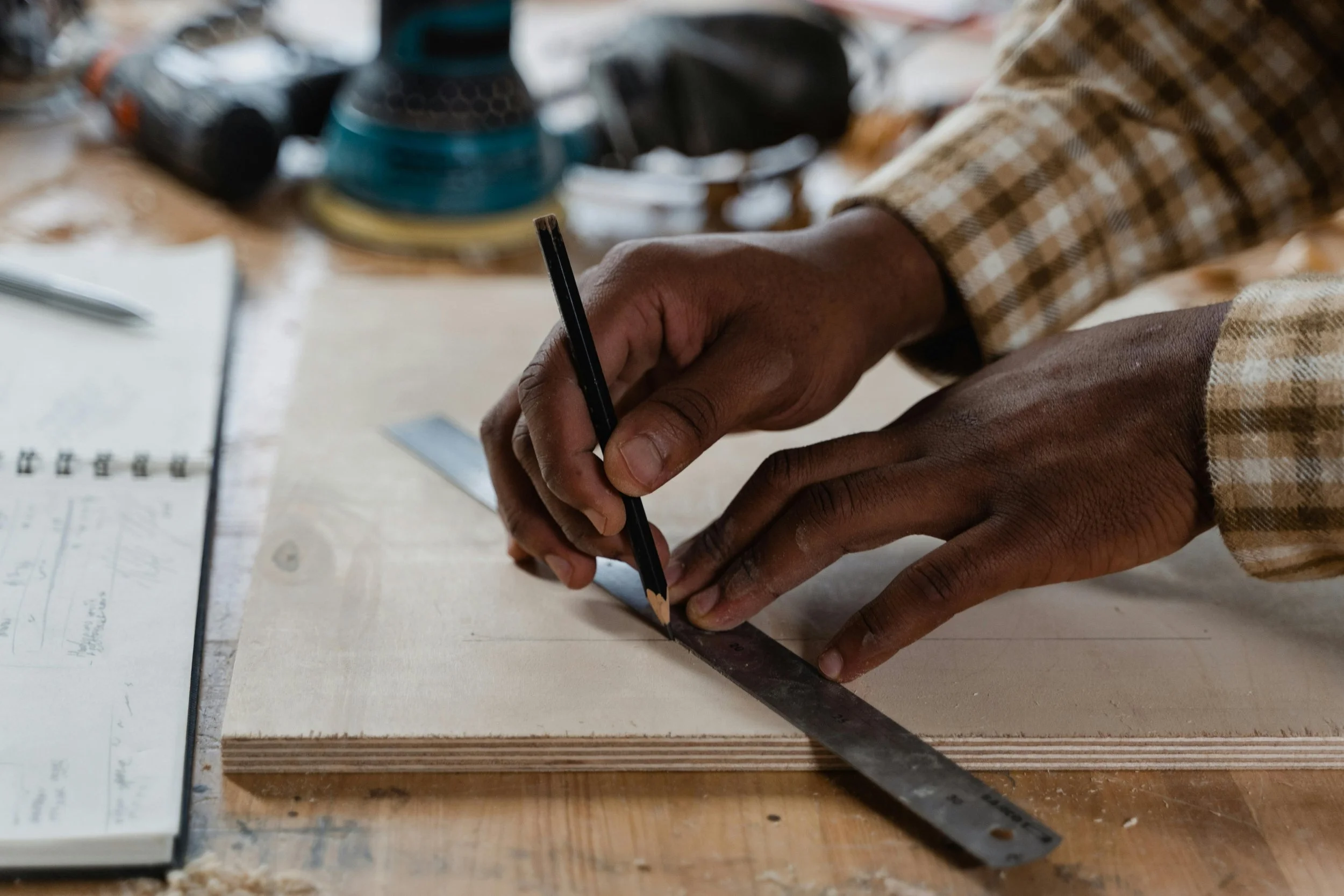
Rule No. 29 is a legacy rule for real life: build beyond yourself, steward what you carry, and leave every room and community stronger than you found it. This is a call to mentor without needing credit, create systems that outlive your season, and measure success not by applause, but by what others inherit because you were here.

Rule No. 28: PROTECT THE LOCKER ROOM
Rule 28 – PROTECT THE LOCKER ROOM is a call to guard the sacred spaces where transformation actually happens. The locker room is where the real conversations live: the unpolished prayer, the honest confession, the private correction, the game plan God is still drawing. But when the locker room goes public—when we share too early, with the wrong audience—our healing becomes performance, our process becomes public property, and our prayer life becomes a stage. This rule invites you back to discernment: not every room in your life is a locker room. Some are arenas. Some are lobbies. A few are protected rooms where truth can be told safely. Protect them well.
Rule No. 27: WHAT IS DELAYED IS NOT DENIED
In a world obsessed with instant answers, Rule 27 reminds us that God’s “not yet” is not “never.” This reflection explores delay as a liminal space—where character is formed, faith is refined, and we learn to trust that what God truly authors, He completes in His time.
Rule No. 26: THE 24-HOUR RULE
This week in The Playbook, I’m unpacking the 24-hour rule—the discipline of celebrating or grieving for a day, then moving on. Wins can become pedestals, losses can become prisons. God invites us into emotional stewardship: to learn, release, and keep walking with Him into what’s next.

Rule No. 25: CREATE A HOME COURT ADVANTAGE
We weren’t designed to win alone. In Rule No. 25, we explore how God uses community—friends, mentors, spiritual family—to steady us, strengthen us, and shape our growth. Learn how building your “home court advantage” can carry you through seasons of uncertainty, transition, and transformation.

Rule No. 24: GROWTH TAKES PLACE OUTSIDE OF YOUR COMFORT ZONE
Growth doesn’t happen in safety — it happens in surrender.
In Rule No. 24 of The Playbook, Daniel C. Haynes explores what he calls “growth’s rubric”: the way God measures who we are while we’re still becoming. From Abraham’s obedience to late-night lessons at St. John’s, this reflection reminds us that every stretch is preparation, not punishment.

Rule No. 23: BRING YOUR OWN BALL
We’ve all lived this rule before—when the game ended because the person who owned the ball had to leave. I learned early: if I had my own ball, I could keep playing.
As adults, the arena changes, but the truth remains. God has already placed everything you need in your hands. It may look small, but when you use it faithfully, He multiplies it. Don’t wait for someone else’s opportunity or approval—play with what you’ve been given.
Because in the Kingdom, the game never ends when others leave—it begins when you bring what’s in your hands to God.

Rule No. 22: CONTROL YOUR THINKING
What we think about most is what we march toward and become. Our mind determines our direction, shaping what we see and what we build. Rule No. 22: Control Your Thinking reminds us that true positive thinking is rooted in faith—acknowledging pain but believing everything can still be redeemed.

Rule No. 21: EVERYTHING DEPENDS ON YOU
Hello, Dear Reader, and welcome back to The Playbook—Rules for Life.
Can you believe we’re already in the homestretch? It’s been ten months since I started with Rule No. 1 back in December 2024. Now we’re at Rule 21, with only nine more to go, and somehow the year is already nearing its end.
Where has the time gone? We blinked, and suddenly it’s halfway through October.
It’s been a month since we’ve last met, and I’ve missed writing to you—sharing my life and reading how these reflections have shaped your own. Fall is here, and October’s wind makes the trees dance wildly.
Some chapters in my life have closed, but I’ve learned that endings aren’t really endings; they’re beginnings disguised as stillness. And through it all, I keep returning to this truth: Everything depends on you.
Rule No. 20: EMOTIONS ARE THE WORST ADVISORS
Emotions are not the problem—it’s what happens when we let them steer our decisions. Feelings can serve as signals, like dashboard lights flashing warnings, but they were never meant to grab the wheel. Anger, sadness, or even joy can cloud judgment and leave us cleaning up consequences long after the moment has passed.

Rule No. 19: MISTAKES ARE INEVITABLE BUT DON’T LET THEM DEFINE YOU
Mistakes are inevitable, but they don’t define you. They sting, they humble, and sometimes they leave cracks in the mirror—but grace has the final word. In this week’s Rule, I share lessons from my own missteps, a poem on the courage of restraint, and the reminder that your story is still being written by the One who never puts down His pen.

Rule No. 18: NEVER BE AFRAID TO GET FIRED
No one wants to be fired, laid off, or rejected. But sometimes being forced out is the only way God calls us up. Rule No. 18 reminds us that closed doors can become open ones, and detours can lead straight to destiny—if we trust Him enough to let go and step forward.

Rule No. 17: YOUR GREATEST WEAKNESS CAN BECOME YOUR GREATEST STRENGTH
Your greatest weakness doesn’t have to be your downfall. Through God’s grace, even weakness can become the foundation of your greatest strength.

RULE NO. 16: STRONG ALONE, UNSTOPPABLE TOGETHER
It doesn’t matter how strong you are—where’s your team?
I’ve learned the hard way that isolation can look like strength, but underneath, it’s often a wound wearing armor. We tell ourselves we’re better off alone, that no one understands. But real healing rarely happens in hiding.
For years I called solitude safety. But God showed me the difference between being set apart and being cut off. One leads to restoration. The other to ruin…

Rule No. 15: THE TRAIN DOESN’T STOP TWICE
After years of running and returning, I’ve learned this truth: grace doesn’t always circle back. This rule isn’t just about missed chances—it’s about the urgency of spiritual obedience. From the VBS stage to a train platform in my mind, I reflect on what it means to move when God says move, to surrender while the door is still open, and to stop gambling with borrowed time. Because sometimes... the train doesn’t stop twice.

Rule No. 14: Some Rules Are Meant to be Broken
Not every rule is holy. Some protect tradition more than truth. In this post, I reflect on the courage it takes to break the rules that keep us small—especially when obedience to God means disobedience to culture. Because faith sometimes looks like defiance.

Rule No. 13: THE UNDERDOG ATTACK
What do you do when preparation isn’t enough? Rule No. 13 is about the moment the storm hits—and how underdogs fight back with holy confidence, spiritual clarity, and relentless faith, even when the odds are stacked against them.

How to Prepare for the Worst Without Living in Fear: Rule No. 12
Some storms don’t give warnings. They arrive without thunder—just a shift in the air. The silence feels… off.
I’ve learned the hard way: positive thinking is not a substitute for spiritual preparation. True peace isn’t found in the forecast.
It’s found in your foundation.
Preparation is a spiritual rhythm. It’s not fear. It’s wisdom. Because strength isn’t about how perfect your plans are—it’s about how rooted you remain when they fall apart.